Claim
UDHR Article 23 states that everyone has the right “to free choice of employment” and “to just and favourable conditions of work.” The problem is that 25,000 to 40,000 children in the Democratic Republic of the Congo, some as young as 7, dig and carry cobalt by hand for about a dollar a day, so that tech companies can build the batteries inside our phones, laptops and electric cars, which means that Congolese child miners’ rights are being violated.
Demographics
Where it is happening
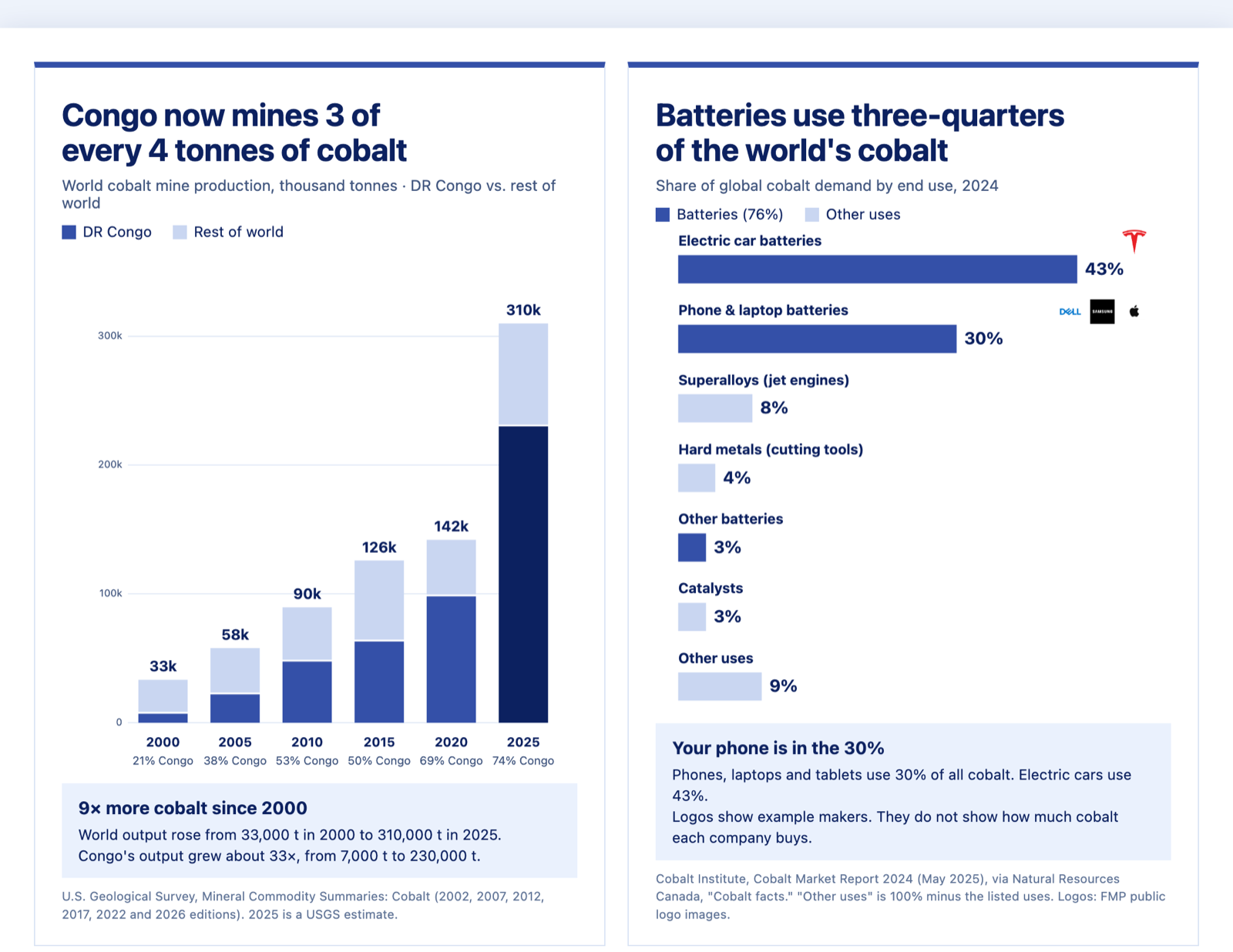
Cobalt is in phones and electric cars around the world, but our focus is the Democratic Republic of the Congo, which supplies about 70% of the world’s cobalt. The mines are in Haut-Katanga and Lualaba provinces, around Kolwezi.
Who is being hurt
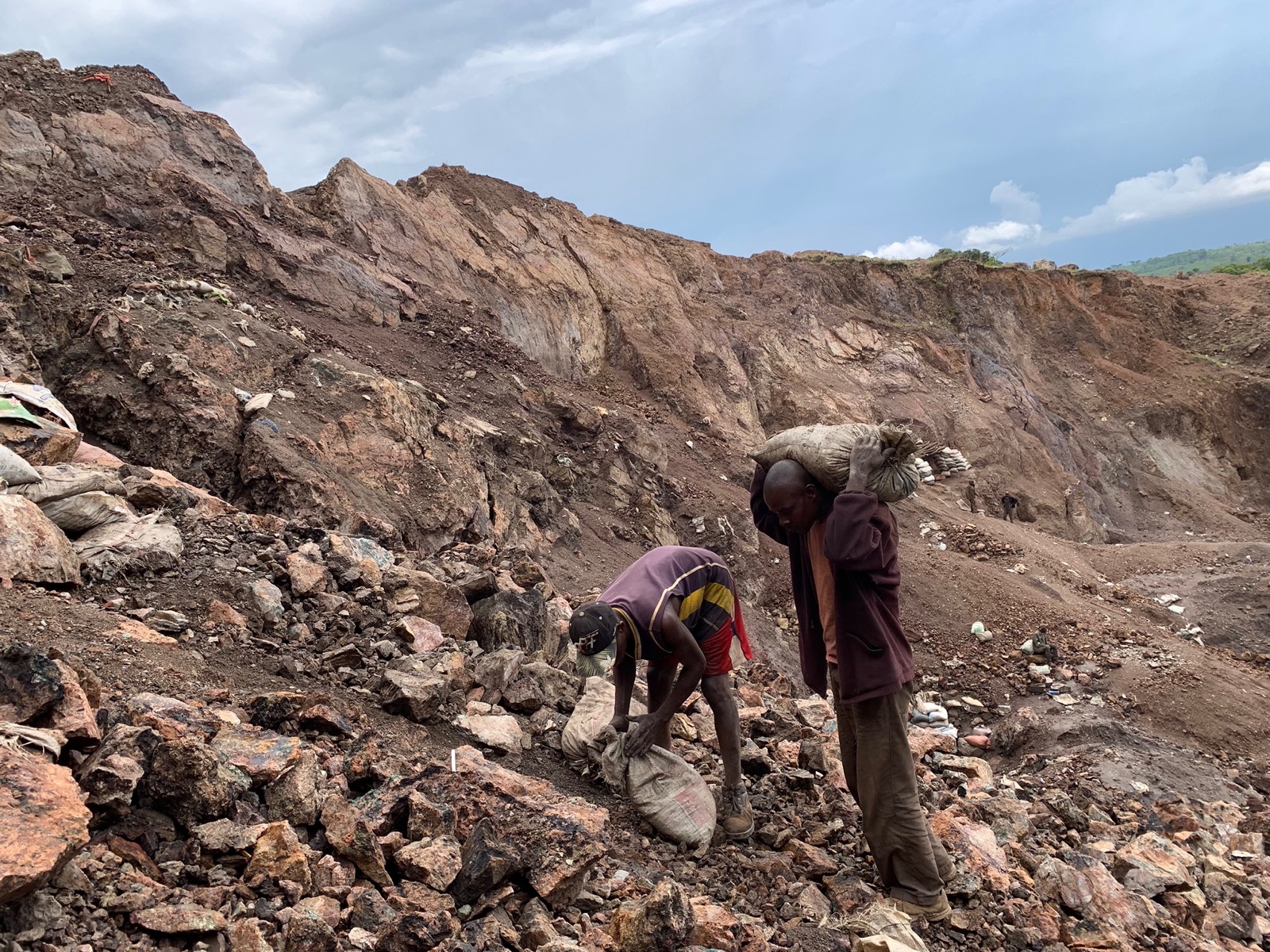
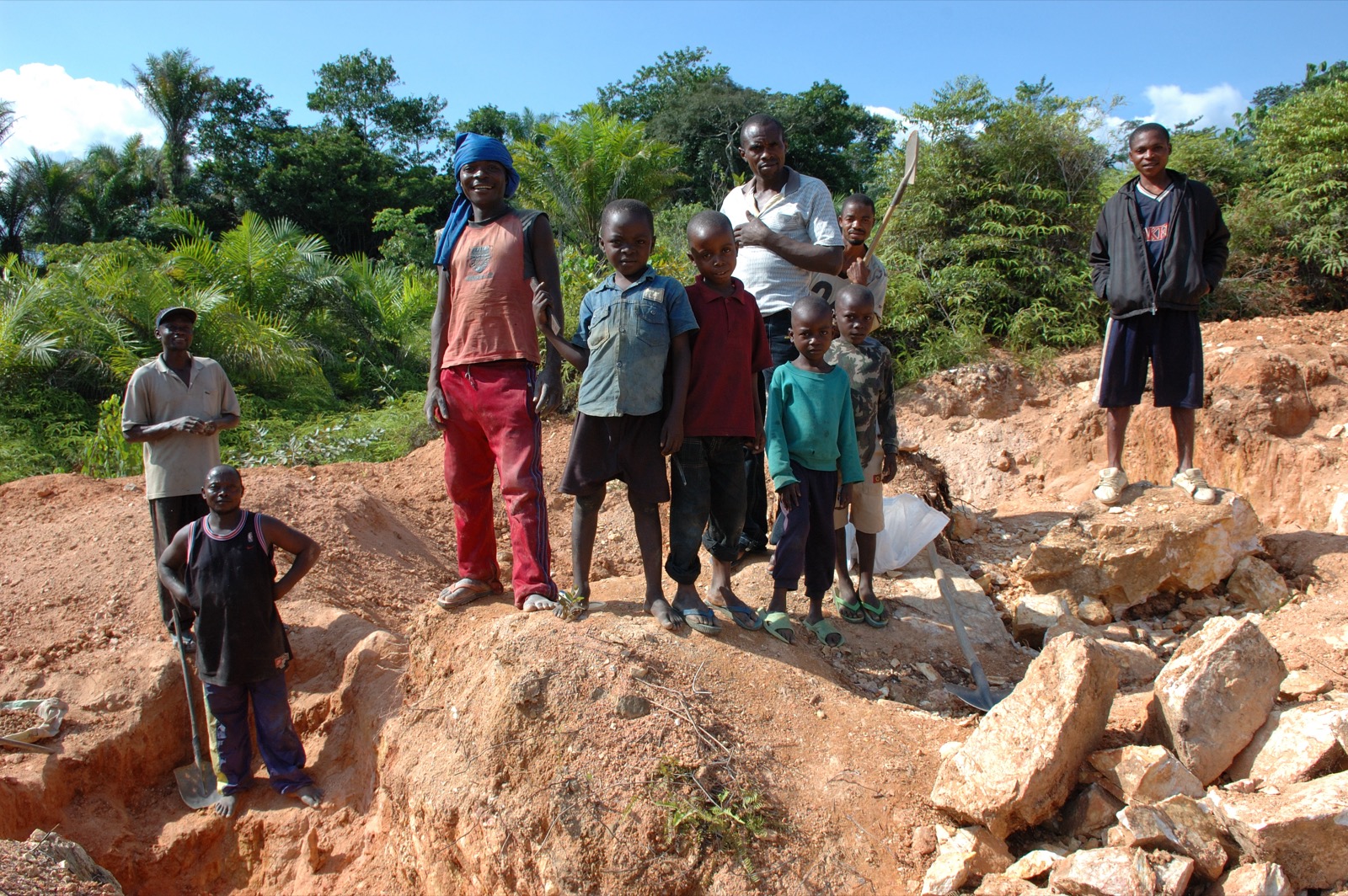
- Children: 25,000 to 40,000 work in southern Congo’s mines, carrying heavy loads and working underground
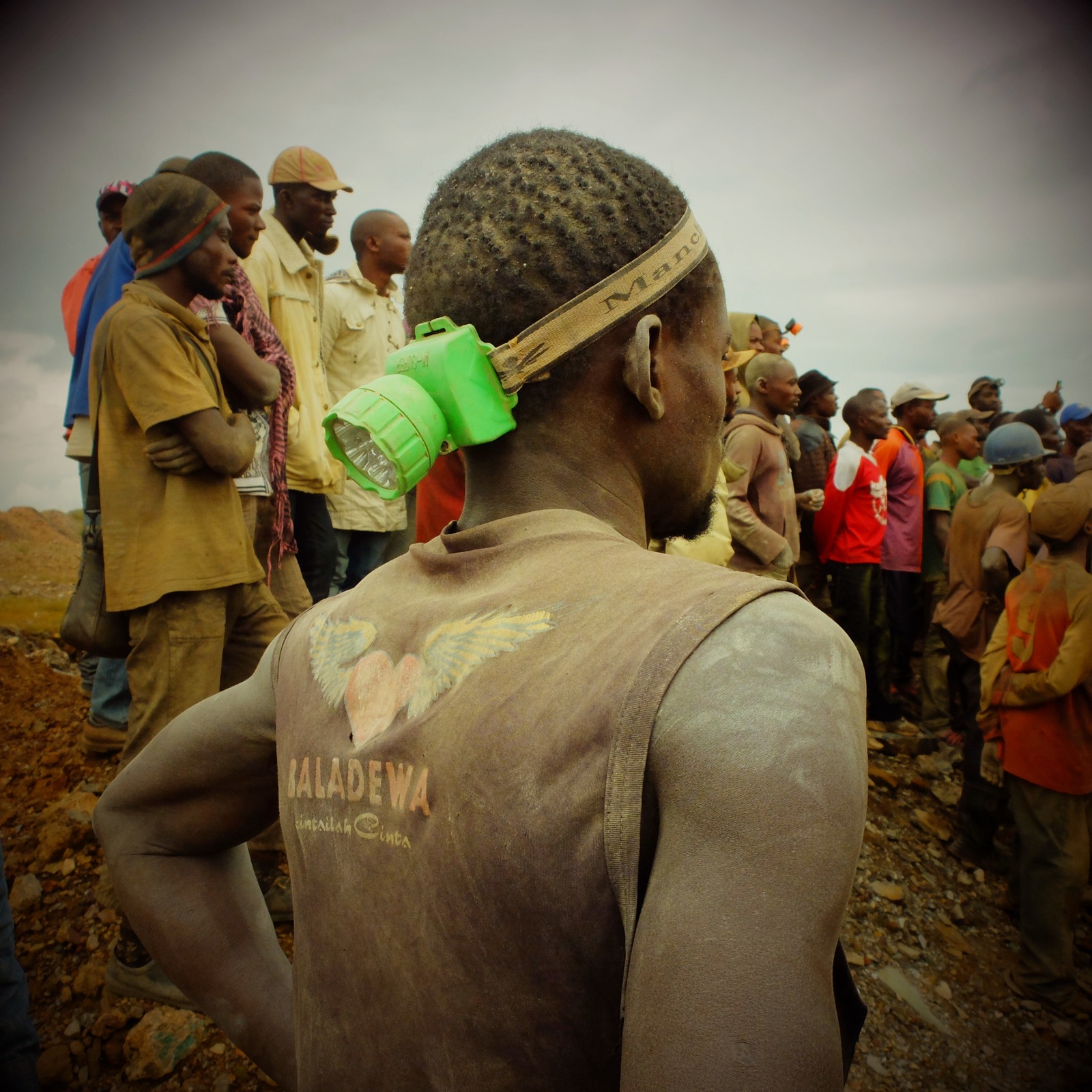
- Artisanal miners: 110,000 to 225,000 people dig by hand, often with no gloves or masks, and risk deadly lung disease
- Women and mothers who wash and sort ore, and must choose between “food for the children or for schooling”
- Families in Kolwezi, where doctors report babies born with birth defects near the mines
Ages: children as young as 3 sift stones, and 7-year-olds work in the mines. Delphin was 13 and Dany was 15.
Who is doing the hurting
- Traders and smelters, many Chinese-owned, that mix hand-dug cobalt with industrial cobalt
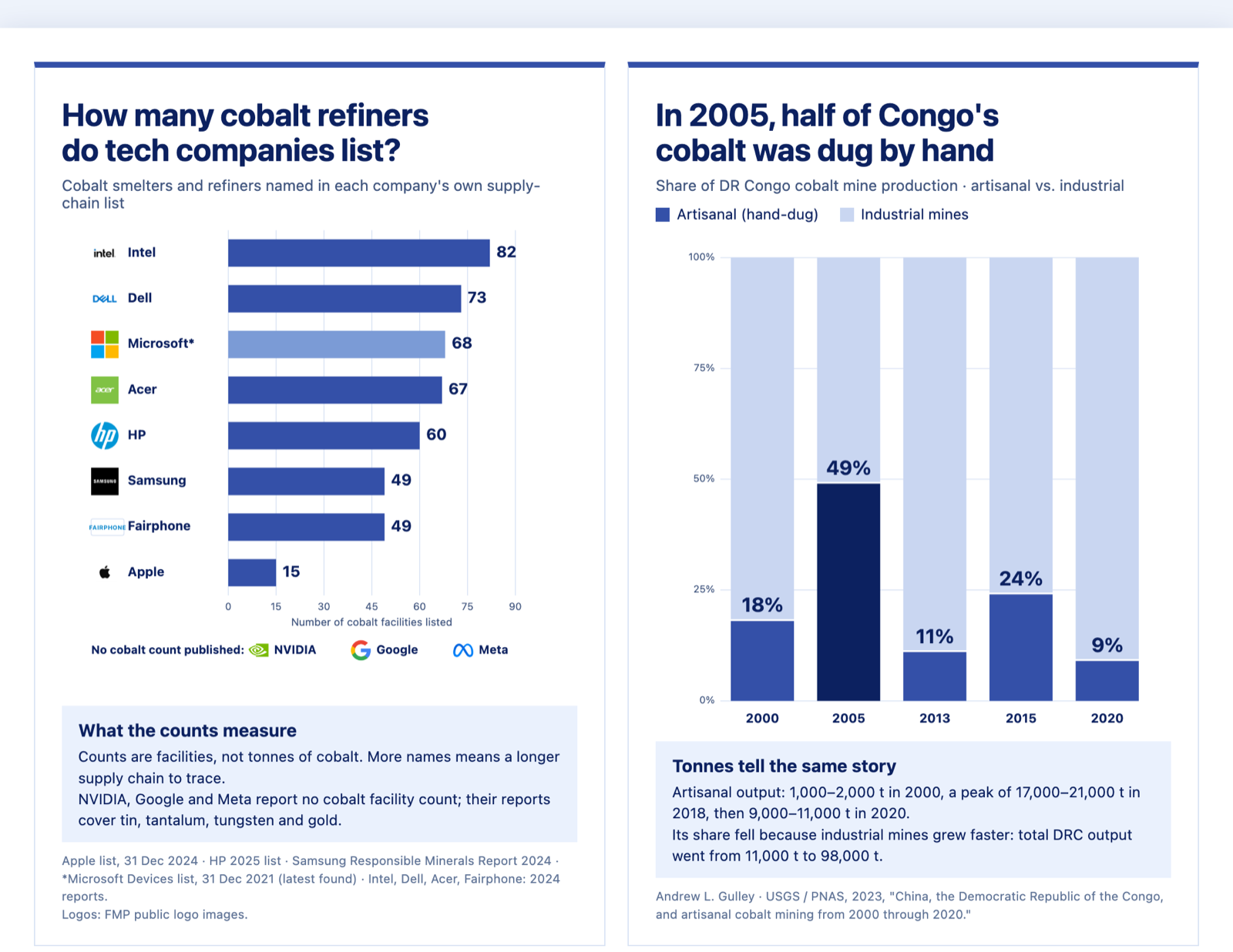
- Tech and car companies such as Apple, Tesla and Dell. Only 25% had cobalt-specific checks in 2017
- Corrupt officials in a system that pays elites while children dig
Why they do it
- Money: mining is almost nine-tenths of Congo’s exports and 46% of government revenue
- No law makes them check: U.S. conflict-minerals rules skip cobalt, and OECD rules are voluntary
- Poverty: families are pushed into mining “by hunger and extreme poverty”
Past
A number from the past
In 2012, UNICEF estimated that 40,000 children worked in mining in southern Congo. Five years earlier, a 2007 study counted 4,000 children at mining sites in Kolwezi alone.
How it hurts the people
In 2016, Amnesty found children and adults working in dangerous cobalt mines, often without basic protective equipment.
Delphin Mutela, 13, washed cobalt ore and might earn about a dollar, which paid for his notebooks and school fees. His mother called it normal life for families there.
Another reason it happens
Congo’s mining wealth was taken from the top long before phone batteries. In 1965 a Belgian mining company held nearly $430 million in assets. Under President Mobutu, the big mining firms were used to build his personal fortune.
By the 1990s the government was nearly bankrupt and gave scarcely any services. Average income per person more than halved between 1990 and 2000, so families turned to digging to survive.
Past laws and events
- 2010Dodd-Frank Section 1502 made companies report on tin, tantalum, tungsten and gold. Cobalt was left off the list: “this same diligence is not required when it comes to cobalt.”
- 2016Amnesty’s report “This Is What We Die For” tied child miners to global battery supply chains.
- 2017Amnesty checked 29 companies. Some improved, but major weaknesses remained.
- 2024A U.S. appeals court dismissed a child labor case against Apple, Tesla and three other tech companies.
Present
A number from today
The U.S. Department of Labor estimates that at least 25,000 children work in Congo’s cobalt mines. In March 2024, 7.5 million children in Congo were out of school.
A present event or law
In November 2023, Congress held a hearing called “How China Exploits Child and Forced Labor in DR Congo.”
Rep. Chris Smith proposed the COBALT Supply Chain Act. It would assume cobalt refined in China involves child or forced labor unless importers prove it does not.
How it hurts people today
- Children carry heavy loads and work underground, and forced labor in hand-dug mines is still a concern (Department of Labor, 2024)
- Children as young as 3 sift stones with no gloves or face masks
- In Kolwezi, a doctor showed reporters children born with defects, some with swollen heads
- Miners sum it up in two words: “We suffer.”
Solutions tried recently
- Mutoshi pilot: safer digging, protective gear and controlled access. Women earned more and could pay for school. When the protections ended, miners said, “We now work in fear.”
- Audits and pilots: 31 smelters passed audits, and one pilot cut child labor by up to 79% (2022)
- Industry coalitions promise clean supply chains, but Kara never saw them active at the mines
- Proposed laws: the COBALT Act, and adding cobalt to Dodd-Frank Section 1502
Photos
The Data
Call to Action
Our proposed solution
Fix the supply chain instead of abandoning it, so adults get safe work and children go to school
- Add cobalt to Dodd-Frank Section 1502 so companies must trace their cobalt
- Build safe mining zones like the Mutoshi pilot where no children are allowed in
- Enforce the rules with surprise labor inspections
What you can do
- Keep your phone longer before buying a new one
- Recycle old phones and batteries
- Ask your representative to add cobalt to Section 1502
- Tell one person what you learned today
Sources
- Kara, Siddharth. Cobalt Red: How the Blood of the Congo Powers Our Lives. St. Martin’s Press, 2023
- Scheyder, Ernest. The War Below. One Signal Publishers/Atria Books, 2024
- Frankel, Todd C. “The Cobalt Pipeline.” The Washington Post, 30 Sept. 2016
- Stempel, Jonathan. “US Court Sides with Apple, Tesla, Other Tech Companies over Child Labor in Africa.” Reuters, 5 Mar. 2024
- Gross, Terry. “How ‘Modern-Day Slavery’ in the Congo Powers the Rechargeable Battery Economy.” Fresh Air, NPR, 1 Feb. 2023
- Niarchos, Nicolas. “In Congo’s Cobalt Mines.” The New York Review of Books, 7 Dec. 2023
- Amnesty International and Afrewatch. “This Is What We Die For.” Jan. 2016
- Amnesty International. Time to Recharge. Nov. 2017
- U.S. Department of Labor. 2024 Findings on the Worst Forms of Child Labor: Congo, Democratic Republic of the
- OECD. Due Diligence Guidance for Responsible Supply Chains of Minerals. 3rd ed., 2016
- Baumann-Pauly, Dorothée. Cobalt Mining in the Democratic Republic of the Congo. NYU Stern, Feb. 2023
- U.S. Securities and Exchange Commission. “Conflict Minerals Disclosure: A Small Entity Compliance Guide”
- Casey, Christopher A., et al. Section 307 and Imports Produced by Forced Labor. Congressional Research Service, 2021
- Congressional-Executive Commission on China. Hearing, 14 Nov. 2023
- Lezhnev, Sasha. Testimony, Tom Lantos Human Rights Commission, 14 July 2022
- Encyclopaedia Britannica: “Democratic Republic of the Congo,” “Cobalt,” “Electric Car,” “Mining”
- Charts: U.S. Geological Survey; Cobalt Institute; USGS/PNAS 2023; company smelter lists